AMA_for_Expert2
Indicator

AMA_for_Expert2

iMAOnArray

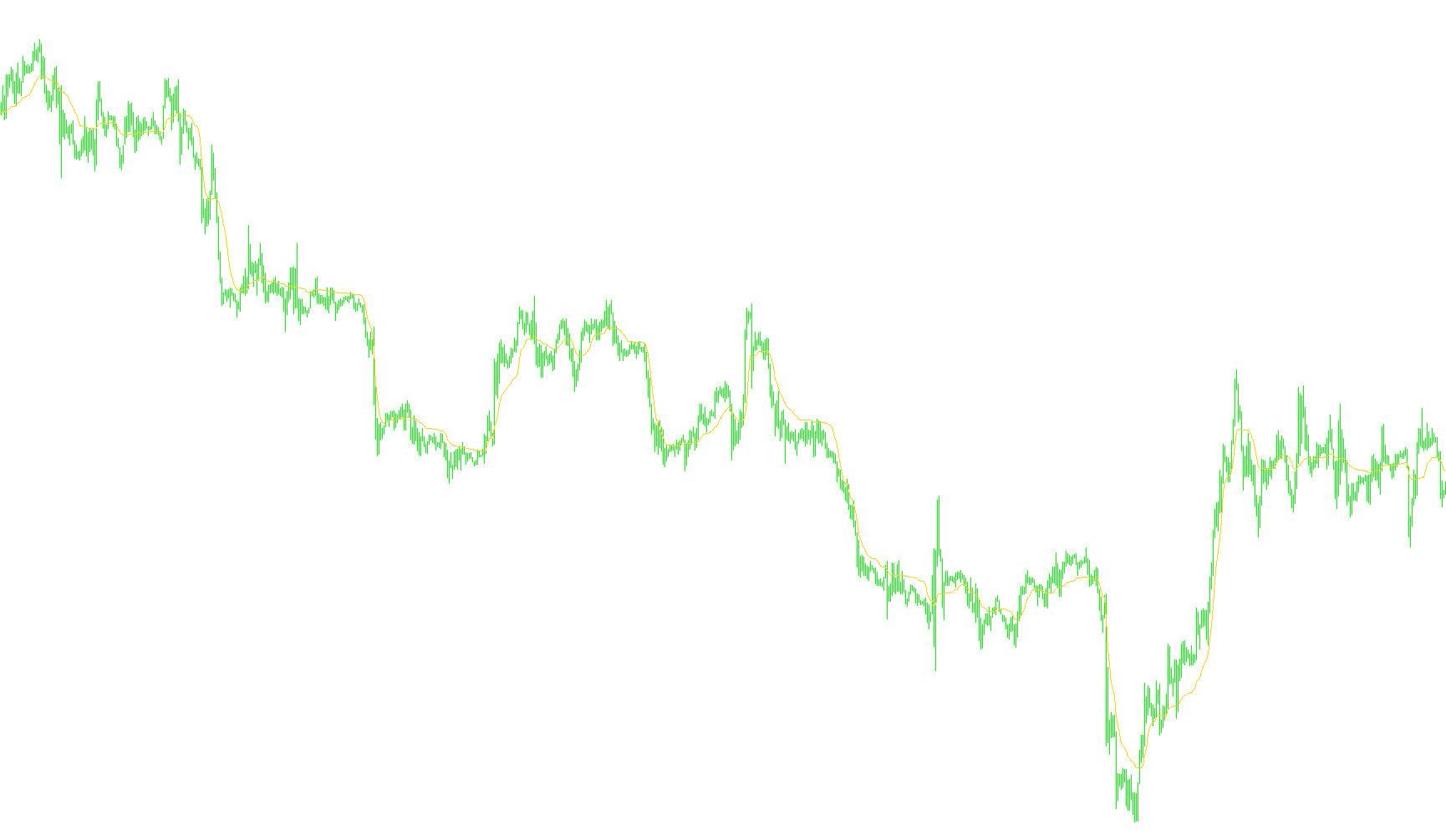
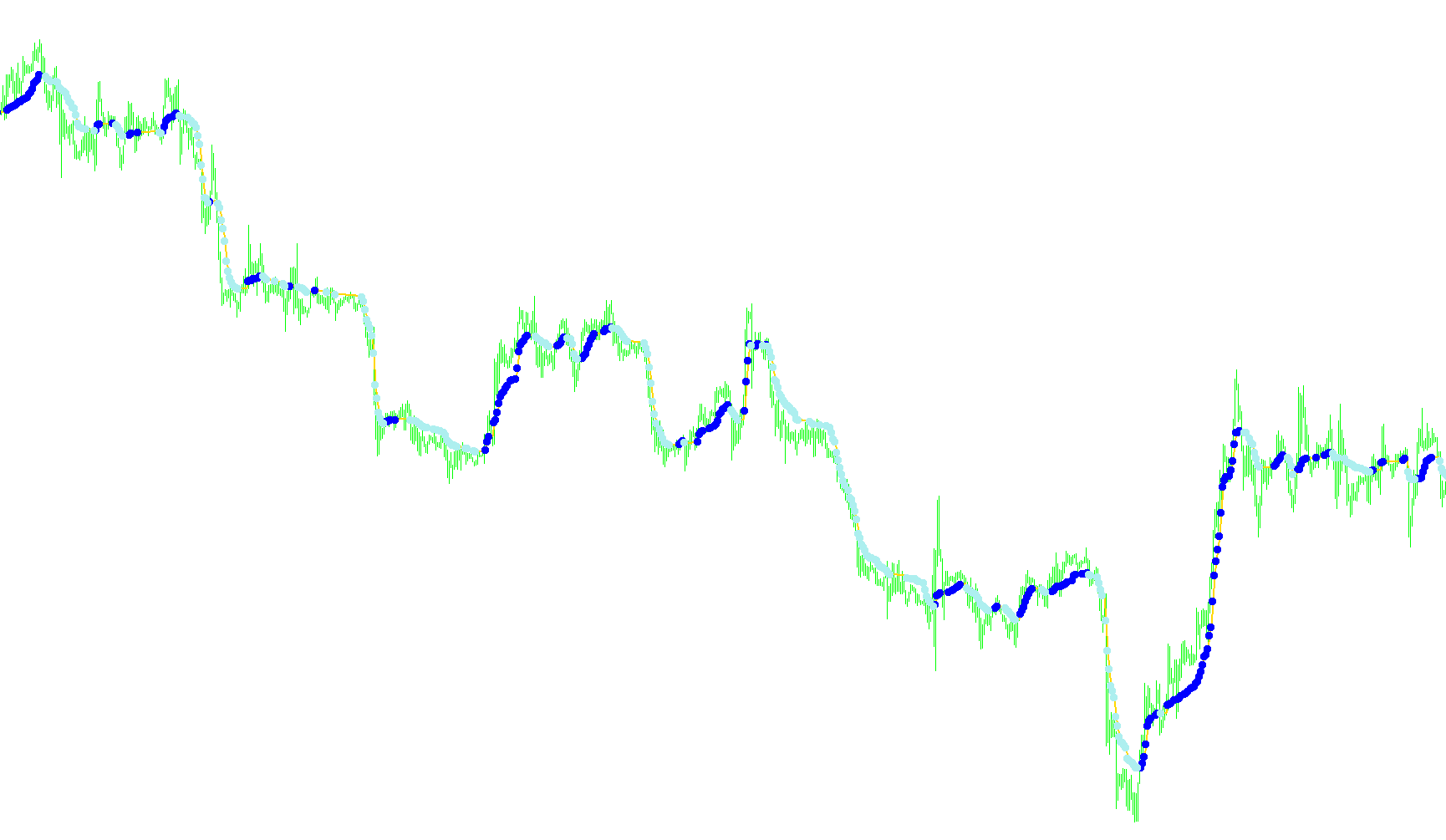
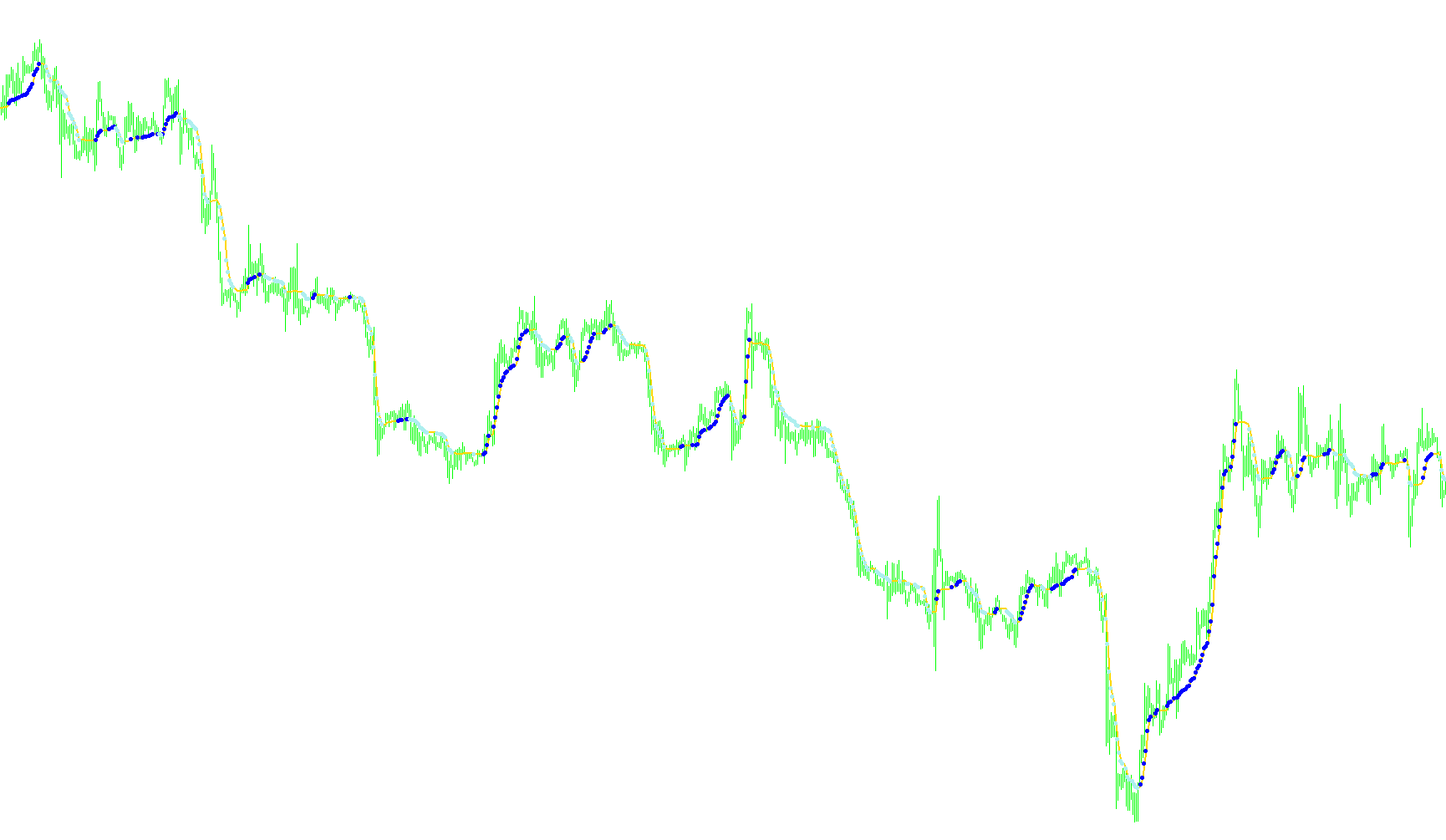
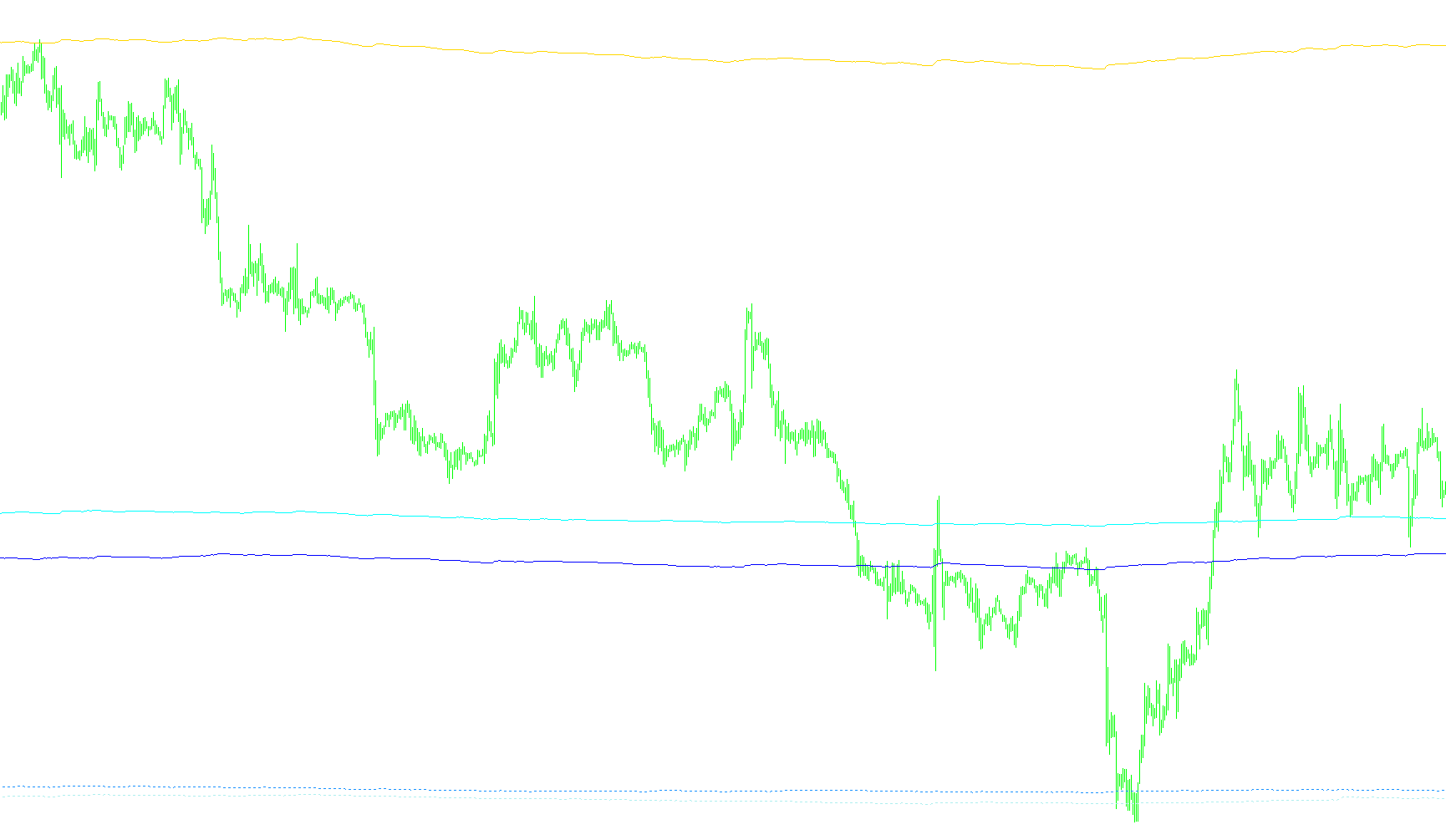
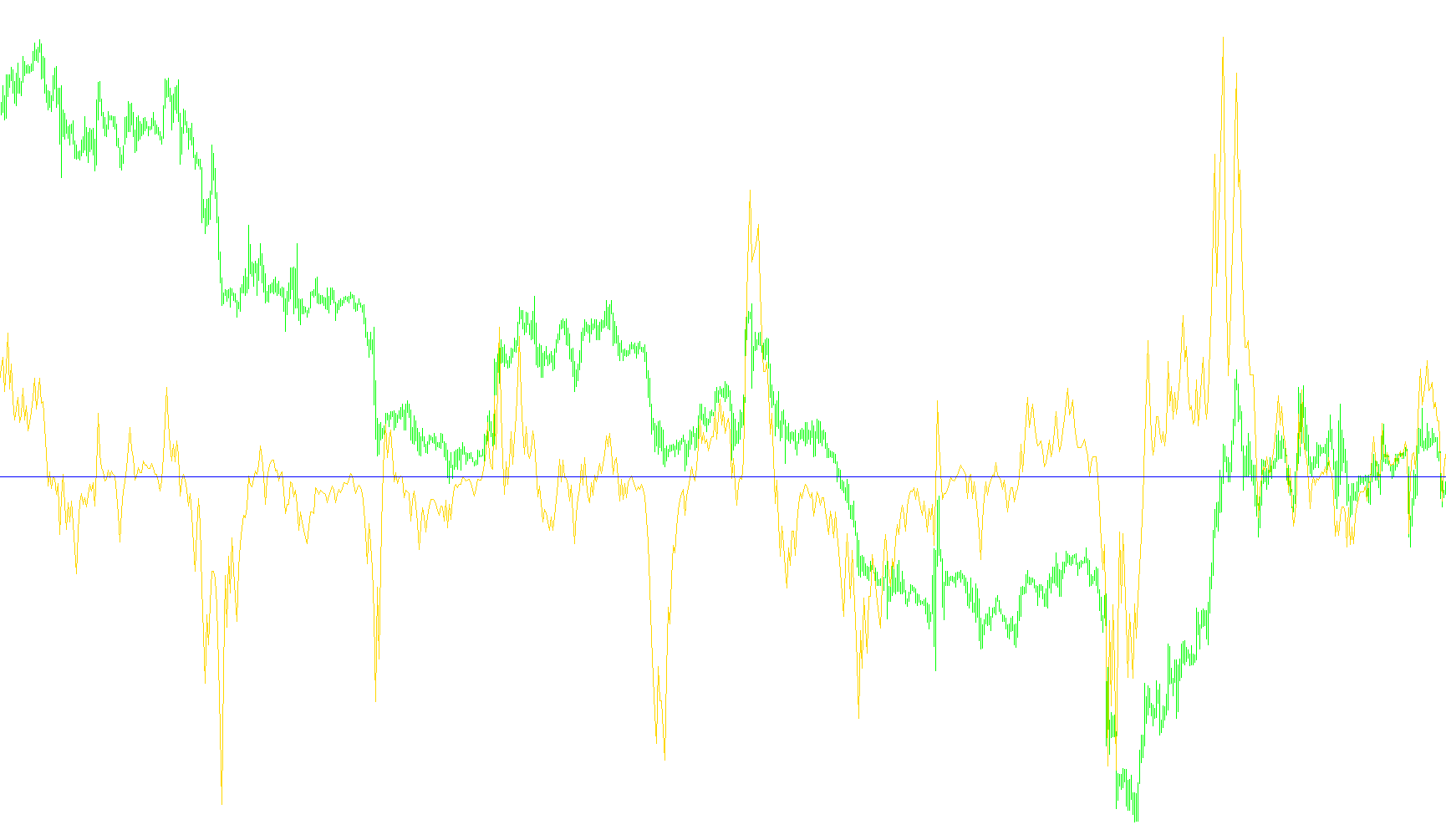
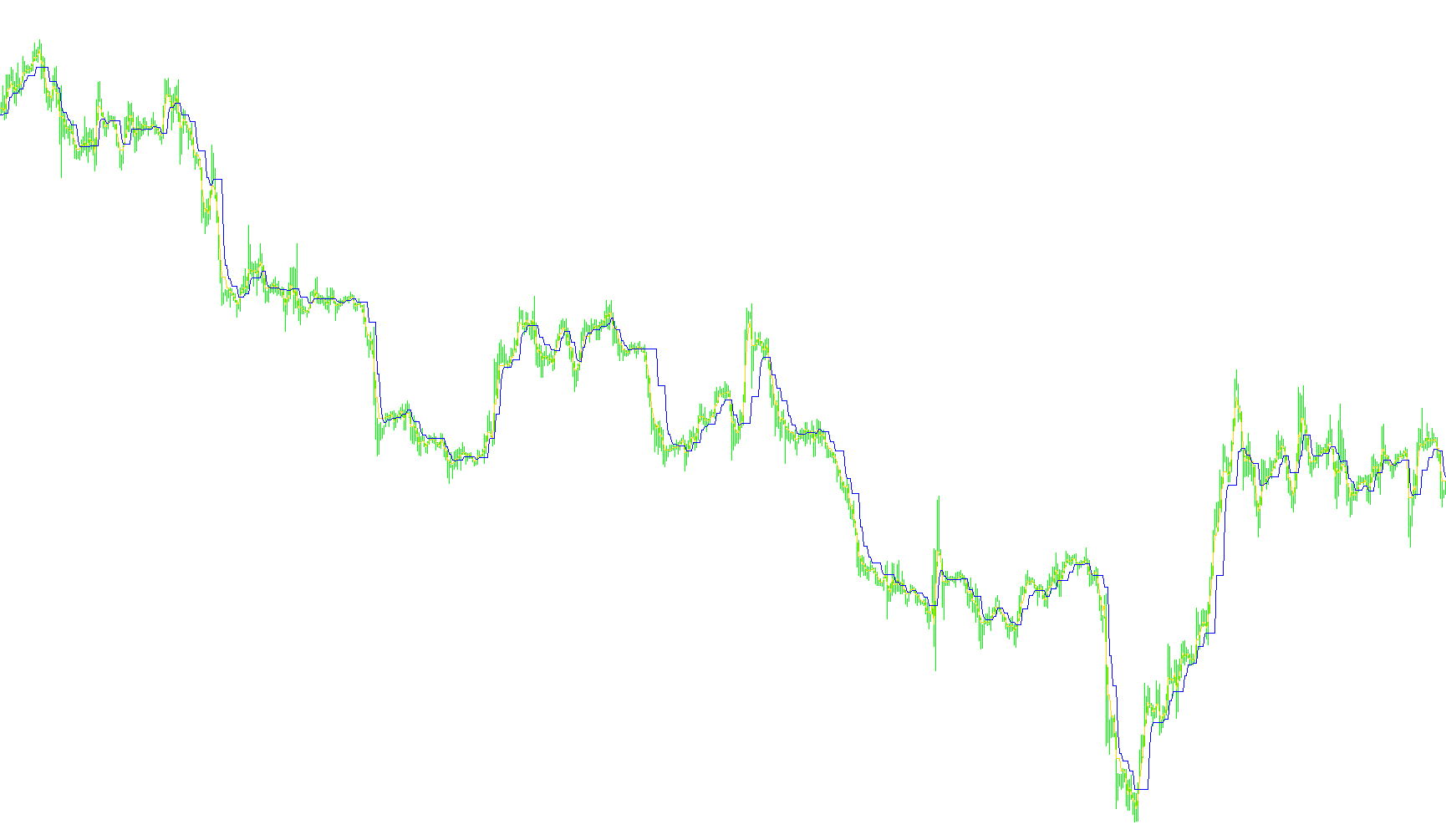
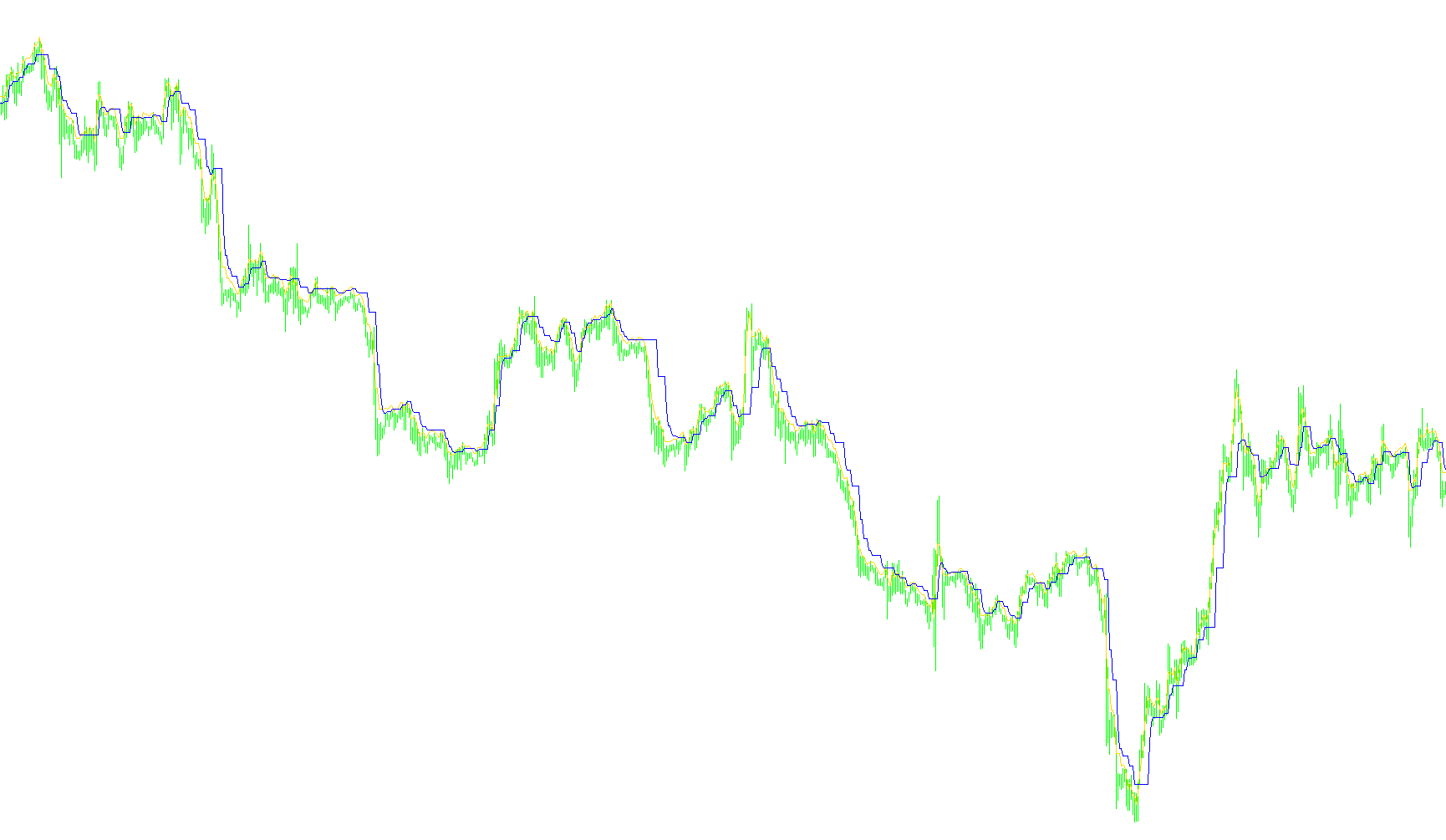
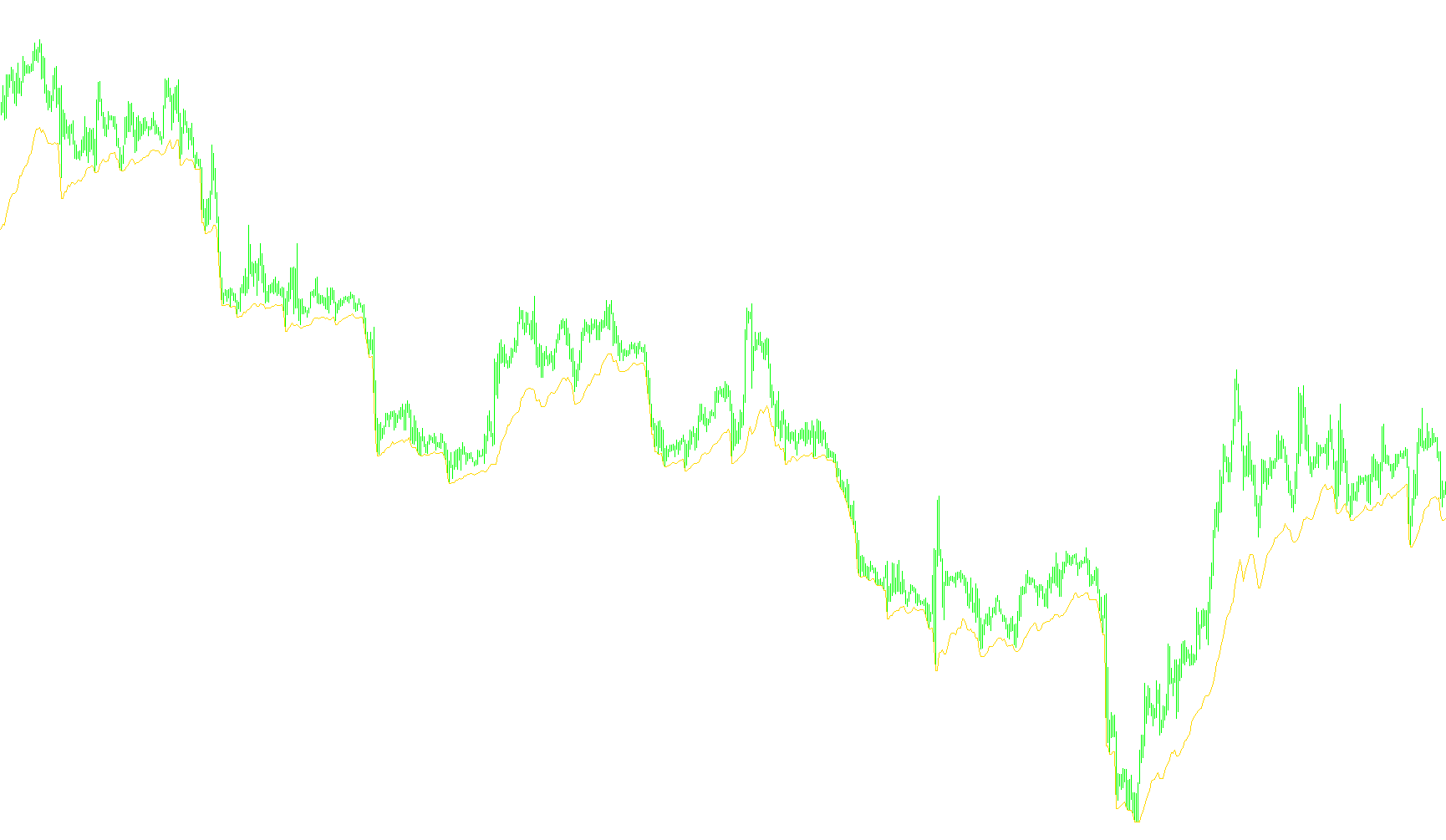
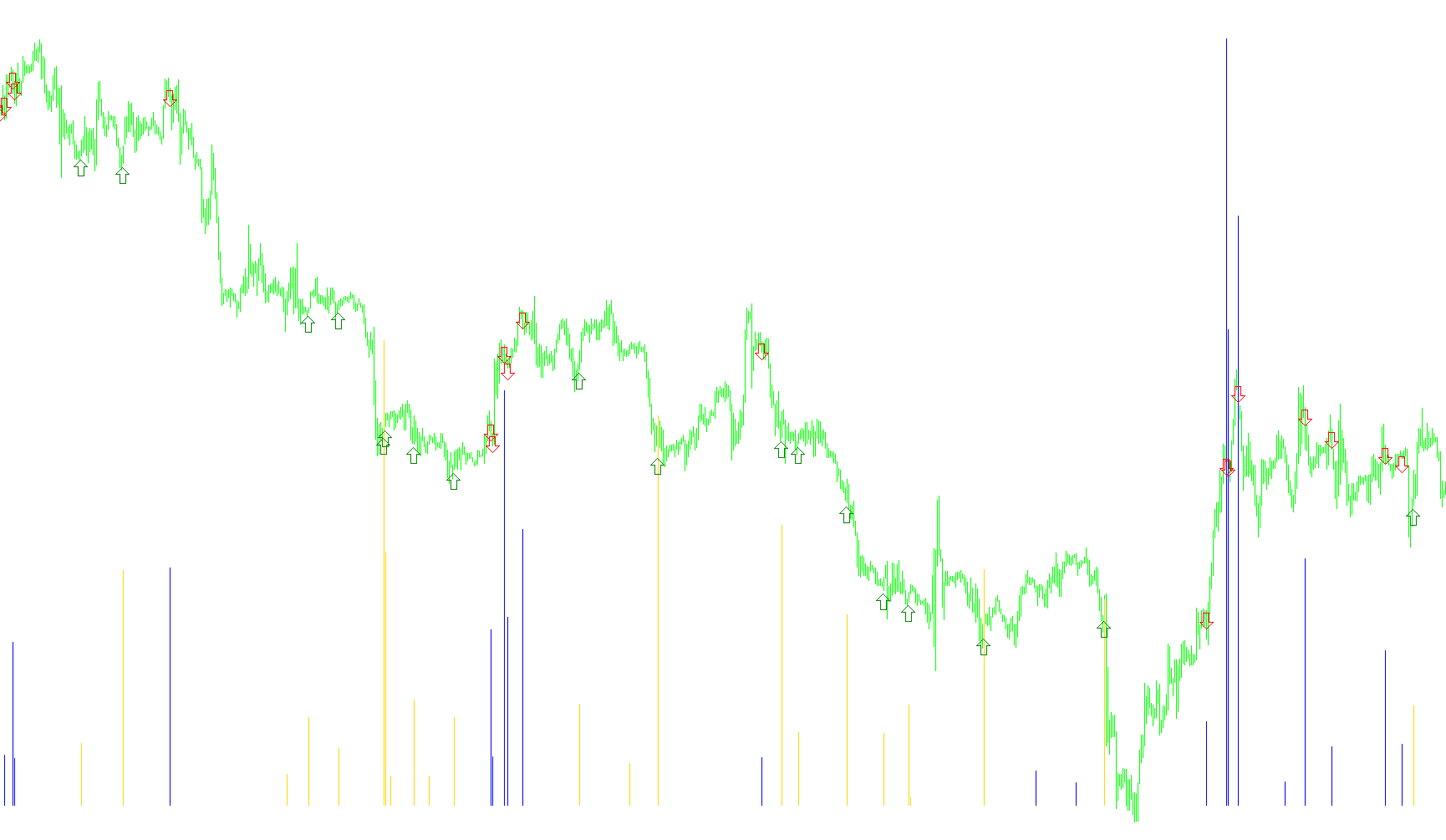
This indicator calculates a self-adjusting moving average by weighing price fluctuations against historical volatility and identifies significant trend reversals through standard deviation threshold analysis.

AMA_optimized_final_Slope
Indicator

AMA_optimized_final_Slope

iMAOnArray

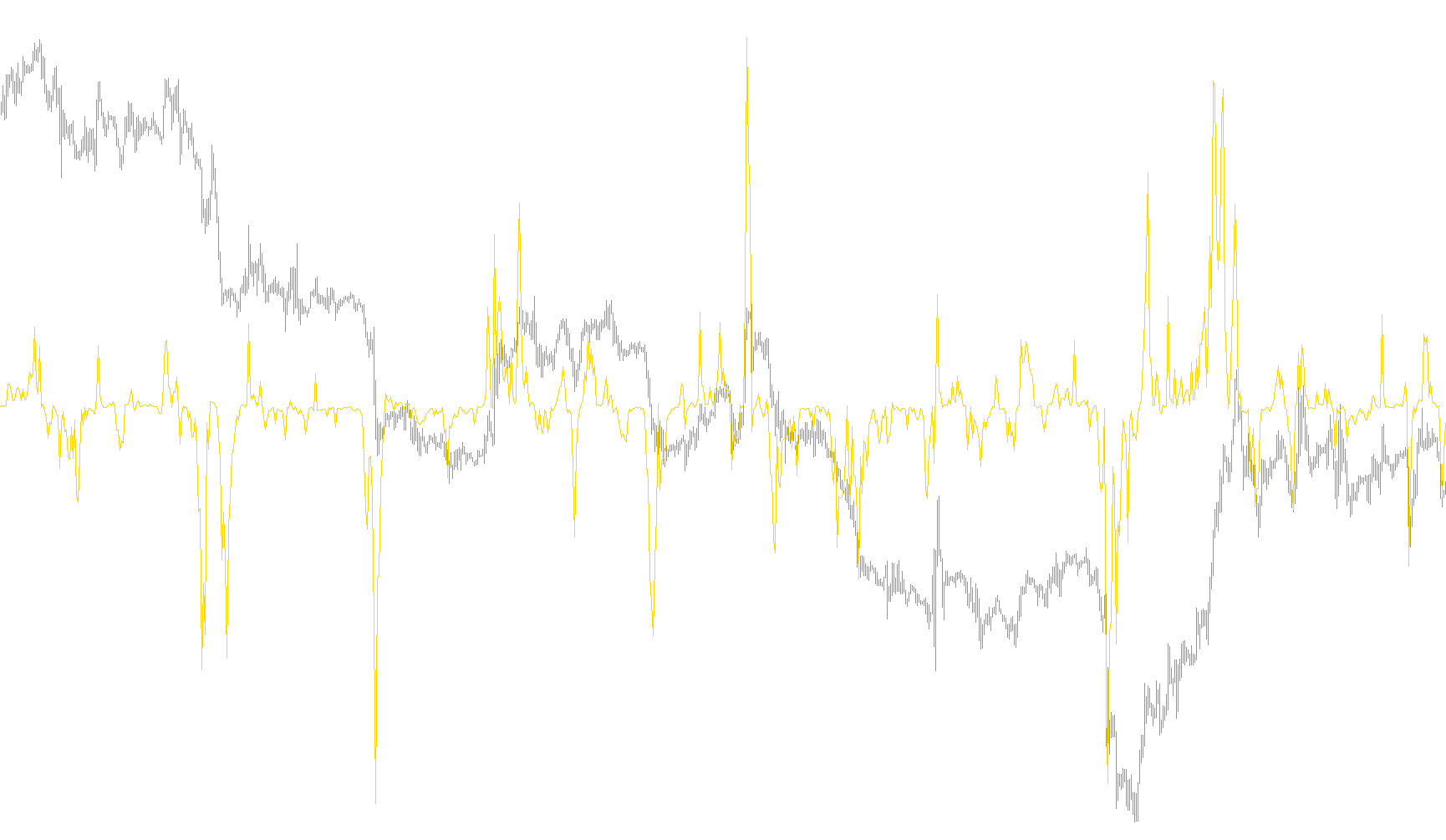
This indicator calculates an optimized Adaptive Moving Average (AMA) to determine momentum shifts by filtering market noise and identifying significant price velocity through standard deviation thresholds.

AMA_Signal_alert
Indicator

AMA_Signal_alert

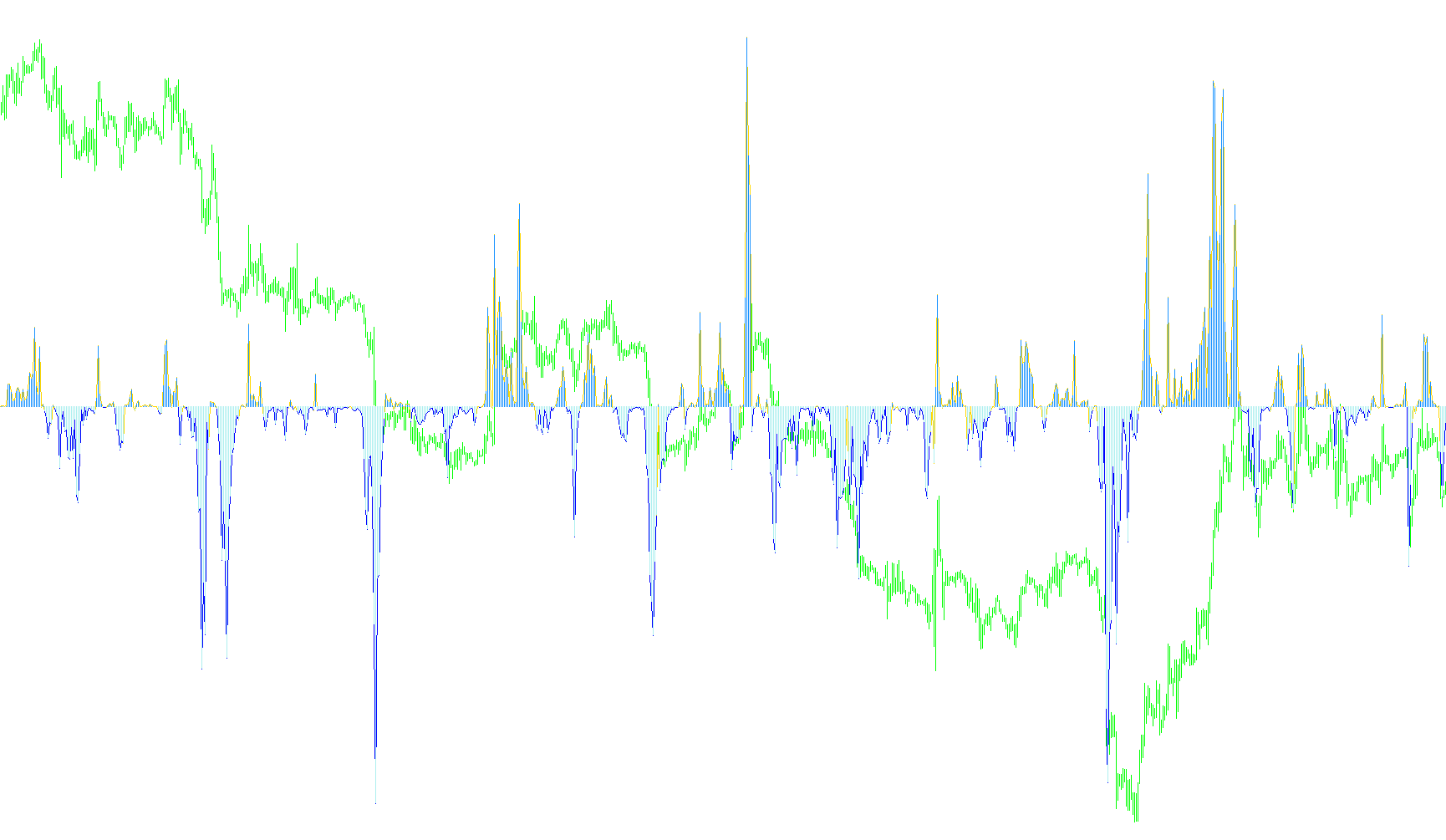
This indicator calculates a custom moving average by weighting the price volatility relative to local noise levels to generate directional trend signals.

AMA_SLOPE
Indicator

AMA_SLOPE

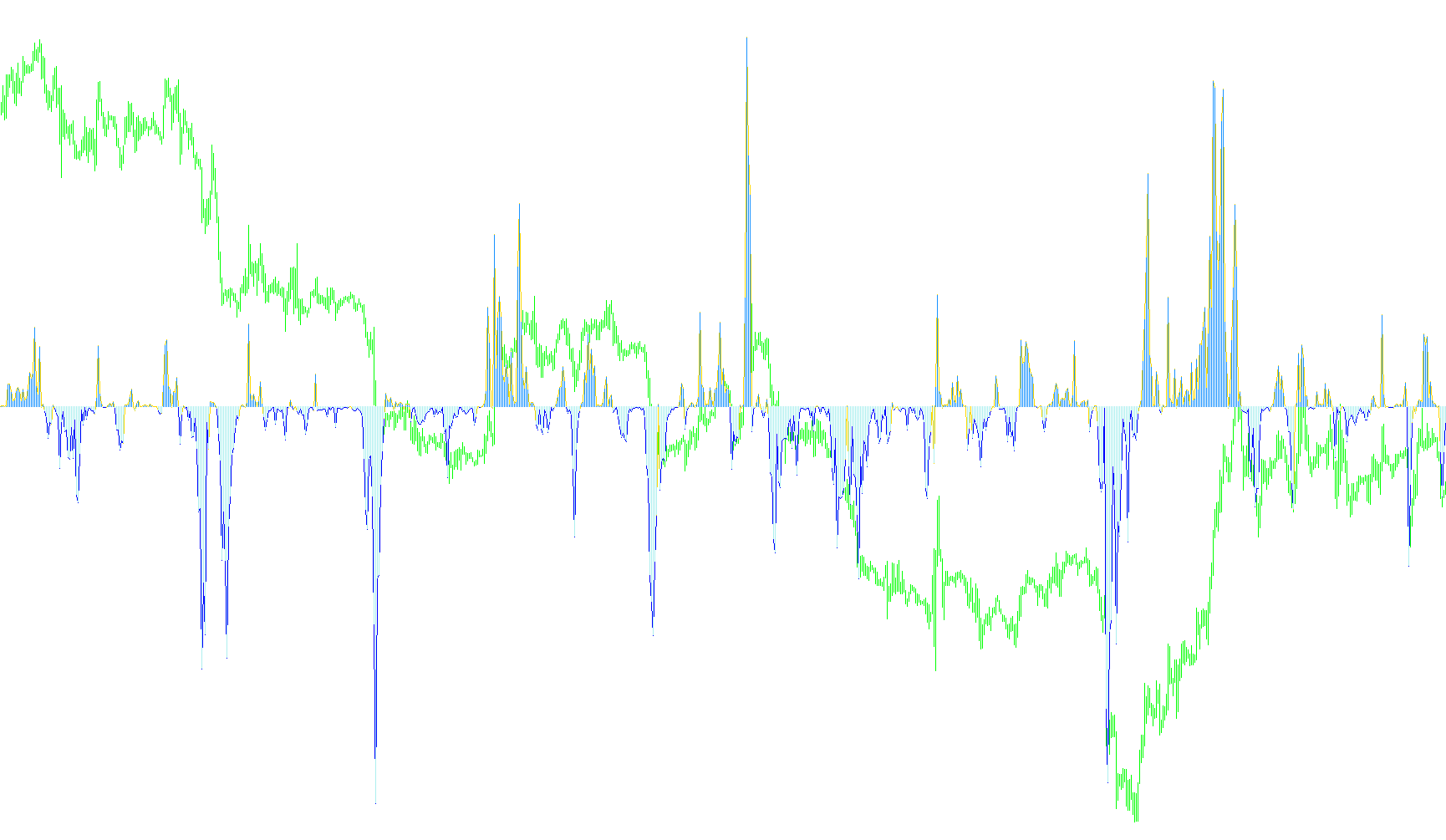
This indicator calculates the rate of change of an Adaptive Moving Average by normalizing price momentum against local volatility to filter market noise.

AMA_SLOPE_v1
Indicator

AMA_SLOPE_v1

Calculates the directional gradient of an adaptive moving average by normalizing price displacement against cumulative local volatility using a power-scaled error ratio.

AMA_SLOPE_v2
Indicator

AMA_SLOPE_v2

This indicator calculates price momentum by measuring the ratio of net signal to noise and projects it onto an adaptive moving average to visualize directional trend velocity.

AMA_SLOPE_v2_001
Indicator

AMA_SLOPE_v2_001

This indicator calculates price momentum by applying a modified Kaufman Adaptive Moving Average (KAMA) logic to isolate the rate of change against market noise.

AMA_STL
Indicator

AMA_STL

This indicator calculates an adaptive moving average that dynamically adjusts its sensitivity based on price volatility and suppresses erratic fluctuations using a noise-to-signal ratio filter.

AMA_v1
Indicator

AMA_v1

AMA_v3
Indicator

AMA_v3

AMkA
Indicator

AMkA

This indicator utilizes an adaptive smoothing coefficient based on market volatility and noise ratios to dynamically calculate a responsive trend line with integrated standard deviation filtering.

Amplitude_all
Indicator

Amplitude_all

Amplitude_allHistAvg
Indicator

Amplitude_allHistAvg

This indicator calculates the running historical averages of price range extremes, body magnitudes, and directional wick proportions to quantify candle structure dynamics.

Amplitude_NBarsAvg
Indicator

Amplitude_NBarsAvg

Amplitude_short
Indicator

Amplitude_short

This indicator decomposes price action into four distinct components by calculating the moving averages of total range, real body size, upper shadow length, and lower shadow length to visualize structural volatility.

analizBara
Indicator

analizBara

AnalizTrenda
Indicator

AnalizTrenda

The algorithm identifies directional shifts by comparing the current bar's median price against the previous bar's high and low boundaries.

Indicator

anchorfx

ang_ALR(V)
Indicator

ang_ALR(V)

iMAOnArray

This indicator quantifies momentum by calculating the derivative of a linear regression slope adjusted by a rounding threshold for noise suppression.

Indicator

ang_Amp_ZZ

ang_AutoCh_HL-v1
Indicator

ang_AutoCh_HL-v1

The indicator calculates a linear regression line over a specified period to project historical price extremes and volatility envelopes onto the current chart.

ang_AutoCh_HL-v1_v1
Indicator

ang_AutoCh_HL-v1_v1

This indicator calculates linear regression paths to identify and project key high-low price equilibrium zones based on historical volatility and geometric mean offsets.

ang_AutoCh_HLK-v1
Indicator

ang_AutoCh_HLK-v1

ang_AZad (C)
Indicator

ang_AZad (C)

The logic calculates the spread between two dynamically smoothing price trajectories that adapt to directional momentum shifts via a sensitivity coefficient.
ang_AZad[Osc]
Indicator

ang_AZad[Osc]

The logic calculates two distinct recursive trend-following lines that adapt to price velocity and momentum shifts to determine the distance between opposing directional flows.

ang_AZad_(C)
Indicator

ang_AZad_(C)

ang_AZad_Css[cw]
Indicator

ang_AZad_Css[cw]

The indicator calculates a dual-layered adaptive line by proportionally integrating price fluctuations based on a user-defined coefficient to filter noise and highlight directional trends.

ang_AZad_Css[cw]_v1
Indicator

ang_AZad_Css[cw]_v1

This indicator calculates two adaptive smoothed lines that react to directional price momentum and trend velocity using a proportional coefficient-based adjustment.
ang_AZad_Css[sw]
Indicator

ang_AZad_Css[sw]

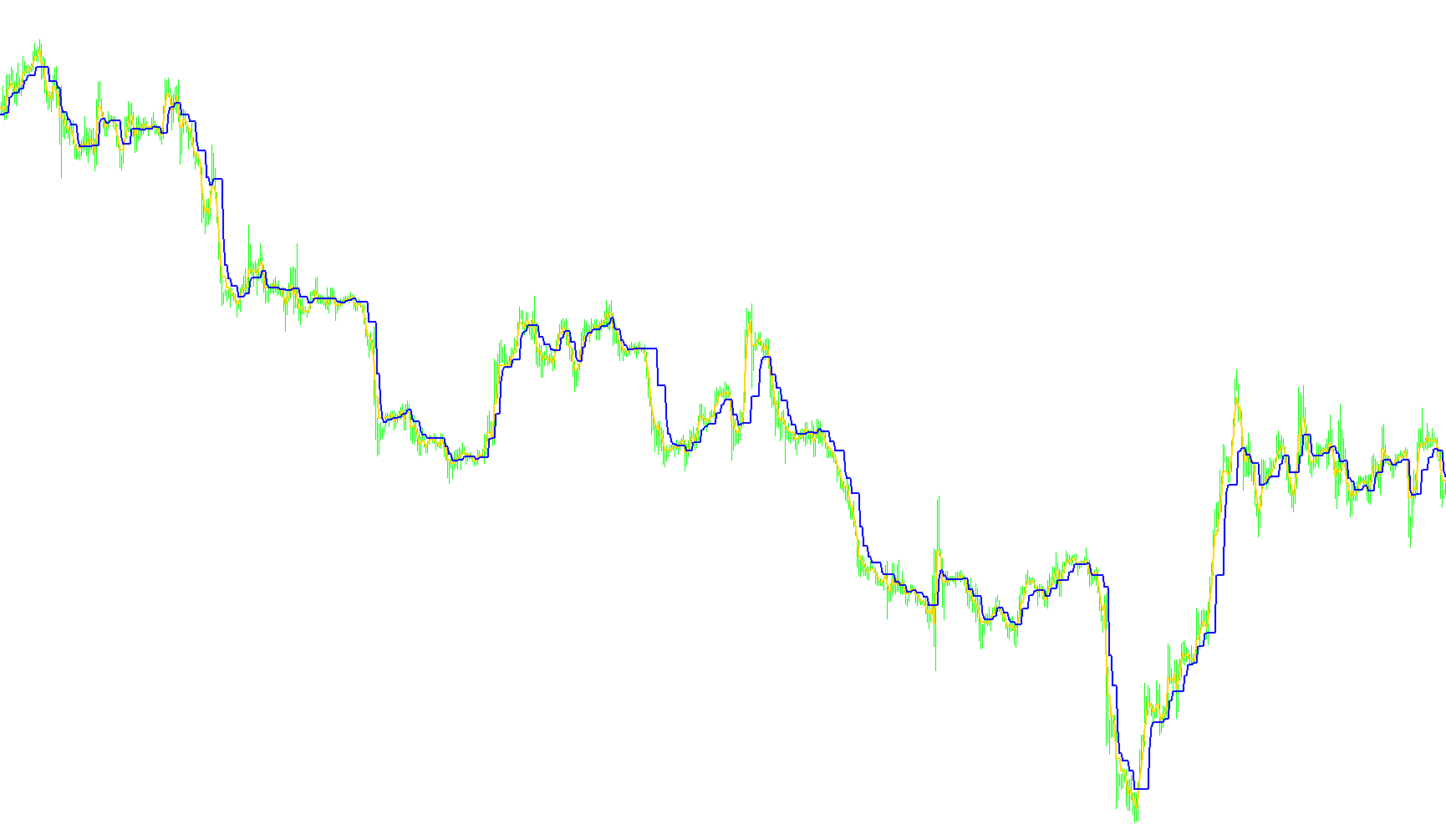
This indicator utilizes a recursive weighted progression logic to track price momentum and directional shifts by calculating smoothed deviations from previous close prices.

ANG_based_on_open_price1
Indicator

ANG_based_on_open_price1

The indicator utilizes quadratic polynomial interpolation across multi-period price averages to smooth volatility and calculate the rate of change between calculated nodes.

ang_PR (Din)-v1+SQStdN
Indicator

ang_PR (Din)-v1+SQStdN

iStdDev

The indicator utilizes Gaussian elimination to solve a system of linear equations, projecting a polynomial curve and dynamic volatility bands onto price action.

ang_PR (Din)-v1+SQStdN_v1
Indicator

ang_PR (Din)-v1+SQStdN_v1

iStdDev

This indicator utilizes Gaussian elimination to solve a matrix of polynomial coefficients, creating a smoothed regression curve and dynamically calculated standard deviation boundaries.

ang_PR (Din)-v1+SQStdN_v2
Indicator

ang_PR (Din)-v1+SQStdN_v2

iStdDev

This indicator utilizes a Gaussian elimination matrix algorithm to perform polynomial regression on price data, generating dynamic upper and lower standard deviation envelopes.

ang_PR (Din)-v1
Indicator

ang_PR (Din)-v1

This indicator utilizes Gaussian elimination and polynomial regression to project future price trajectories based on historical closing data.

ang_PR (Din)-v2
Indicator

ang_PR (Din)-v2

The algorithm utilizes a Gaussian elimination matrix to solve for polynomial coefficients, projecting price trajectories based on weighted historical data points.

ang_PR (Din)-v2_v1
Indicator

ang_PR (Din)-v2_v1

The indicator utilizes Gaussian elimination to solve a system of linear equations, projecting price trends through a polynomial regression model.

ang_PR_(Din)-v1
Indicator

ang_PR_(Din)-v1

This indicator employs a Gaussian elimination algorithm to solve for polynomial coefficients, generating a projected trend line based on historical price velocity.

ang_PR_(Din)-v1_v1
Indicator

ang_PR_(Din)-v1_v1

This indicator utilizes Gaussian elimination to solve a system of linear equations for polynomial regression, projecting price trends based on historical momentum.

ang_Zad (C)
Indicator

ang_Zad (C)

This indicator calculates dynamic price equilibrium levels by recursively applying a proportional smoothing coefficient to consecutive price shifts to identify momentum-driven trends.

ang_Zad (C)_v1
Indicator

ang_Zad (C)_v1

The algorithm calculates two dynamic smoothing lines that adapt to price directional momentum by incrementally adjusting their trajectory based on a configurable velocity constant.

ang_Zad (C)_v2
Indicator

ang_Zad (C)_v2

This indicator calculates two distinct dynamic price paths by applying a fractional recursive smoothing algorithm that reacts to directional momentum and price velocity.

ang____ãÆ_____┬Á
Indicator

ang____ãÆ_____┬Á

This indicator calculates the residual variance between price action and a T3 moving average by applying a Discrete Fourier Transform to isolate periodic cyclical trends.

aNina
Indicator

aNina

iMA

This indicator calculates dynamic volatility boundaries using a weighted range sum to identify trend exhaustion and generate signal crossovers based on price action relative to multi-level momentum bands.

aNina_v1
Indicator

aNina_v1

iMA

This indicator utilizes a weighted range-based volatility algorithm to generate multi-level trend lines, providing crossover signals validated by an exponential moving average filter for precise entry identification.

aNina_v1m
Indicator

aNina_v1m

iMA

This indicator utilizes a weighted volatility range to calculate dynamic support and resistance levels, generating directional trade signals based on the crossover of momentum-based stochastic buffers filtered by an EMA trend bias.

aNina_v2
Indicator

aNina_v2

iMA

This indicator utilizes a weighted price range expansion logic to calculate volatility-adjusted support and resistance levels, identifying trend reversals through the intersection of dual stochastic-normalized trend lines.

aNina_v3
Indicator

aNina_v3

iMA

This indicator identifies directional momentum by calculating dynamic volatility bounds and detecting signal crossovers between multi-layered stochastic levels.

AnotherInstr1
Indicator

AnotherInstr1

This indicator calculates a weighted average price path by projecting the relative position of a secondary asset's close within its local range onto the primary chart's high and low boundaries across increasing fractal windows.

AnotherInstr1sep
Indicator

AnotherInstr1sep

The logic calculates a recursive moving average based on the relative price positioning of an external asset compared to the current symbol's volatility, outputting the residual variance between current prices and this multi-step projected equilibrium.

AntiAlligator MTF
Indicator

AntiAlligator MTF

iAlligator

This indicator identifies reversal entries by detecting price breaches of the Alligator's jaw and lips in opposition to the prevailing trend direction while verifying mean reversion via midpoint crossovers.