JMASlope_alert
Download script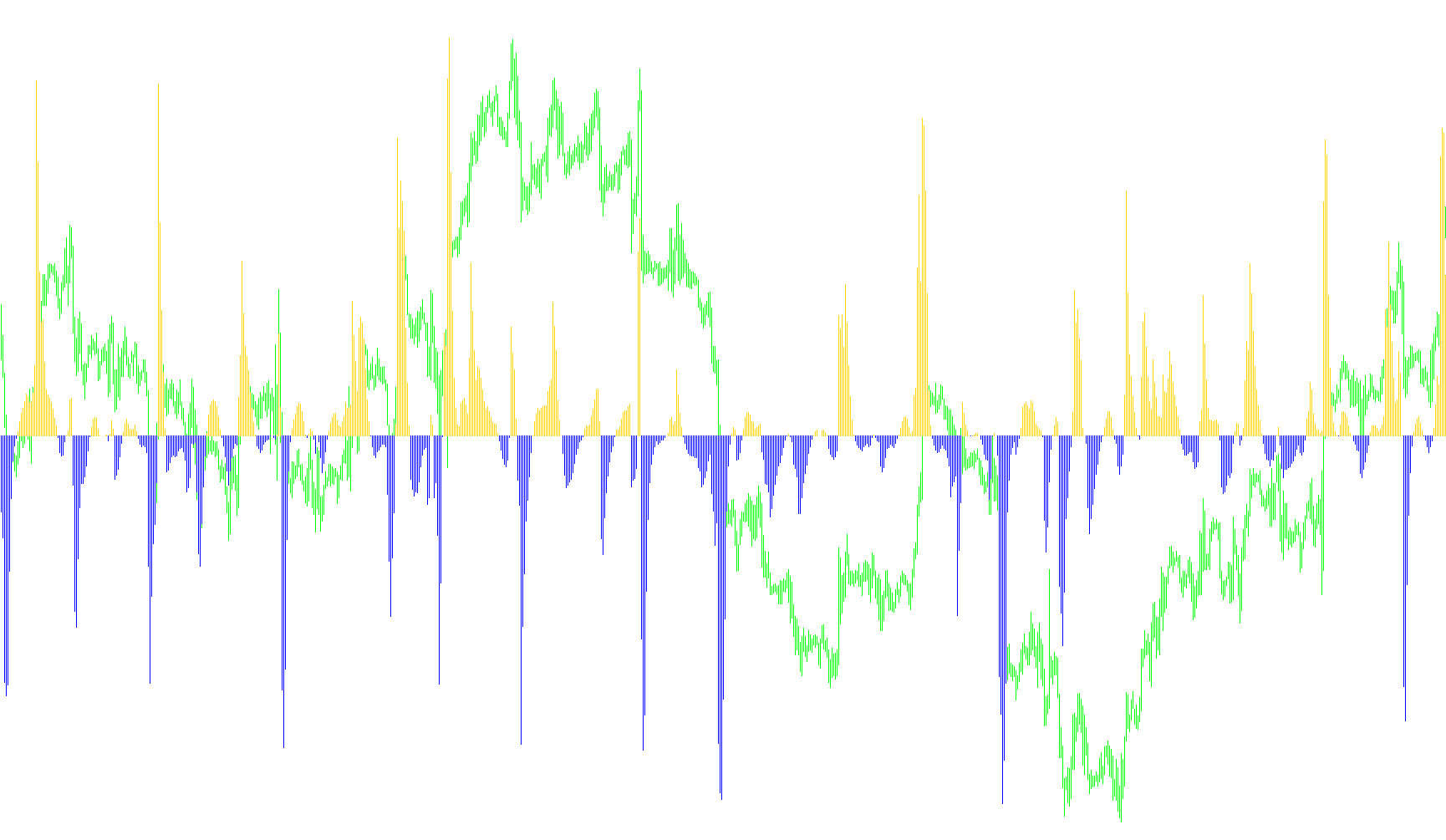
This script functions as a sophisticated technical analysis tool designed to track the momentum and direction of price movements. Its primary purpose is to calculate the "slope" of a specialized moving average—the Jurik Moving Average (JMA)—and translate that movement into visual signals for traders.
Core Logic Overview
1. Smoothing and Trend Identification The script begins by processing raw price data (specifically closing prices) through a multi-layered mathematical filter. Unlike standard moving averages, which often suffer from a delay in responding to new price action or create "noise" in flat markets, this logic utilizes a complex recursive calculation. It aims to identify the underlying trend while smoothing out minor fluctuations to provide a cleaner look at where the market is heading.
2. Dynamic Adjustment (The "Phase" and "Length") The tool relies on two main user-adjustable components:
- Length: This determines the window of time the script looks back at to calculate the trend.
- Phase: This allows the user to fine-tune the responsiveness of the indicator. It balances the trade-off between "lag" (how quickly it follows the price) and "smoothness" (how much it ignores random market jitter).
3. Slope Calculation and Signal Generation Once the underlying moving average value is determined, the script calculates the Slope. This is done by measuring the difference between the current moving average value and its previous value:
- Upward Momentum: If the current value is higher than the previous value, the logic identifies an upward slope. It highlights this visually in green.
- Downward Momentum: If the current value is lower than the previous value, it identifies a downward slope, highlighted in red.
4. Automated Alerts To assist traders who cannot watch the charts constantly, the script includes an automated notification system. It monitors the transition between these slopes. When the indicator switches from a downward direction to an upward direction (or vice versa), the script triggers a real-time alert on the platform. These alerts are programmed with "unique tags" to ensure that you only receive one notification per candle, preventing repetitive pings during a single price movement.
Summary for the User
In practical terms, this tool acts as a sophisticated "trend compass." Instead of just showing you where the price was, it analyzes the velocity and direction of the market trend. It filters out the "noise" of the market to tell you if the current momentum is pushing upward or downward, providing both visual cues and instant notifications when that momentum shifts.
//+------------------------------------------------------------------+
//|                                                     JMASlope.mq4 |
//|                           Copyright © 2005, TrendLaboratory Ltd. |
//|            http://finance.groups.yahoo.com/group/TrendLaboratory |
//|            Thanks to Weld, Jurik Research http://weld.torguem.net|
//+------------------------------------------------------------------+
#property copyright "Copyright © 2005, TrendLaboratory Ltd."
#property link      "http://finance.groups.yahoo.com/group/TrendLaboratory"

#property indicator_separate_window
#property indicator_buffers 2
#property indicator_color1 Green
#property indicator_color2 Red
//---- input parameters
extern int       Length = 14;
extern int       Phase  = 0;
extern bool   alertON = true;
double alertTag;
//---- buffers
double UpBuffer [];
double DnBuffer [];
double JMAValueBuffer [];
double fC0Buffer [];
double fA8Buffer [];
double fC8Buffer [];
//---- temporary buffers
double list[128], ring1[128], ring2[11], buffer[62];
//---- bool flag
bool   initFlag;
//---- integer vars
int    limitValue, startValue, loopParam, loopCriteria;
int    cycleLimit, highLimit, counterA, counterB;
//---- double vars
double cycleDelta, lowDValue, highDValue, absValue, paramA, paramB;
double phaseParam, logParam, JMAValue, series, sValue, sqrtParam, lengthDivider;
//---- temporary int variables
int   s58, s60, s40, s38, s68;
//+------------------------------------------------------------------+
//| JMA initFlagization function                                     |
//+------------------------------------------------------------------+
int init()
  {
   double   lengthParam;
//---- 3 additional buffers are used for counting.
   IndicatorBuffers(6);
//---- drawing settings
   SetIndexStyle  (0, DRAW_HISTOGRAM);
   SetIndexStyle  (1, DRAW_HISTOGRAM);
   SetIndexDrawBegin(0, 30);
   SetIndexDrawBegin(1, 30);
//---- 4 indicator buffers mapping
   SetIndexBuffer (0, UpBuffer);
   SetIndexBuffer (1, DnBuffer);
   SetIndexBuffer (2, JMAValueBuffer);
   SetIndexBuffer (3, fC0Buffer);
   SetIndexBuffer (4, fA8Buffer);
   SetIndexBuffer (5, fC8Buffer);
//---- initialize one buffer (neccessary)
   ArrayInitialize (ring2, 0);
   ArrayInitialize (ring1, 0);
   ArrayInitialize (buffer, 0);
//---- name for DataWindow and indicator subwindow label
   IndicatorShortName ("JMASlope(" + Length + "," + Phase + ")");
   SetIndexLabel (0, "UpSlope");
   SetIndexLabel (1, "DownSlope");
//---- initial part
   limitValue = 63;
   startValue = 64;
//----
   for (int i = 0; i <= limitValue; i++) list [i] = -1000000;
   for (i = startValue; i <= 127; i++)   list [i] = 1000000;
//----
   initFlag  = true;
   if (Length < 1.0000000002) lengthParam = 0.0000000001;
   else lengthParam = (Length - 1) / 2.0;
//----
   if (Phase < -100) phaseParam = 0.5;
   else if (Phase > 100) phaseParam = 2.5;
   else phaseParam = Phase / 100.0 + 1.5;
//----
   logParam = MathLog (MathSqrt (lengthParam)) / MathLog (2.0);
//----
   if (logParam + 2.0 < 0) logParam = 0;
   else logParam = logParam + 2.0;
//----
   sqrtParam     = MathSqrt(lengthParam) * logParam;
   lengthParam   = lengthParam * 0.9;
   lengthDivider = lengthParam / (lengthParam + 2.0);
//----
   return;
}
//+------------------------------------------------------------------+
//| JMA iteration function                                           |
//+------------------------------------------------------------------+
int start()
  {

//---- get already counted bars
   int counted_bars = IndicatorCounted();
//---- check for possible errors
   if (counted_bars < 0) return (-1);
   int limit = Bars - counted_bars - 1;
//---- main cycle
   for (int shift = limit; shift >= 0; shift--) {
      series = Close [shift];

      if (loopParam < 61) {
         loopParam++;
         buffer [loopParam] = series;
      }
      if (loopParam > 30) {
         if (initFlag) {
            initFlag = false;

            int diffFlag = 0;
            for (int i = 1; i <= 29; i++) {
               if (buffer [i + 1] != buffer [i]) diffFlag = 1;
            }
            highLimit = diffFlag * 30;

            if (highLimit == 0) paramB = series;
            else paramB = buffer[1];

            paramA = paramB;
            if (highLimit > 29) highLimit = 29;
         } else
            highLimit = 0;
//---- big cycle
         for (i = highLimit; i >= 0; i--) {
			   if (i == 0) sValue = series; else sValue = buffer [31 - i];

			   if (MathAbs (sValue - paramA) > MathAbs (sValue - paramB)) absValue = MathAbs(sValue - paramA); else absValue = MathAbs(sValue - paramB);
			   double dValue = absValue + 0.0000000001; //1.0e-10;

			   if (counterA <= 1) counterA = 127; else counterA--;
			   if (counterB <= 1) counterB = 10;  else counterB--;
			   if (cycleLimit < 128) cycleLimit++;
			   cycleDelta += (dValue - ring2 [counterB]);
			   ring2 [counterB] = dValue;
			   if (cycleLimit > 10) highDValue = cycleDelta / 10.0; else highDValue = cycleDelta / cycleLimit;

			   if (cycleLimit > 127) {
				   dValue = ring1 [counterA];
				   ring1 [counterA] = highDValue;
				   s68 = 64; s58 = s68;
				   while (s68 > 1) {
					   if (list [s58] < dValue) {
						   s68 = s68 / 2.0;
						   s58 += s68;
					   } else
					   if (list [s58] <= dValue) {
						   s68 = 1;
					   } else {
						   s68 = s68 / 2.0;
						   s58 -= s68;
					   }
               }
            } else {
			      ring1 [counterA] = highDValue;
			      if ((limitValue + startValue) > 127) {
				      startValue--;
				      s58 = startValue;
			      } else {
				      limitValue++;
				      s58 = limitValue;
			      }
			      if (limitValue > 96) s38 = 96; else s38 = limitValue;
			      if (startValue < 32) s40 = 32; else s40 = startValue;
		      }
//----
		      s68 = 64;
		      s60 = s68;
		      while (s68 > 1) {
			      if (list [s60] >= highDValue) {
				      if (list [s60 - 1] <= highDValue) {
					      s68 = 1;
				      }
				      else {
					      s68 = s68 / 2.0;
					      s60 -= s68;
				      }
			      }
			      else {
				      s68 = s68 / 2.0;
				      s60 += s68;
			      }
			      if ((s60 == 127) && (highDValue > list[127])) s60 = 128;
		      }
			   if (cycleLimit > 127) {
				   if (s58 >= s60) {
					   if (((s38 + 1) > s60) && ((s40 - 1) < s60))
						    lowDValue += highDValue;
					   else if ((s40 > s60) && ((s40 - 1) < s58))
						    lowDValue += list [s40 - 1];
				   }
				   else if (s40 >= s60) {
					   if (((s38 + 1) < s60) && ((s38 + 1) > s58))
							    lowDValue += list[s38 + 1];
					}
				   else if ((s38 + 2) > s60)
						   lowDValue += highDValue;
				   else if (((s38 + 1) < s60) && ((s38 + 1) > s58))
						   lowDValue += list[s38 + 1];

				   if (s58 > s60) {
					   if (((s40 - 1) < s58) && ((s38 + 1) > s58))
						   lowDValue -= list [s58];
					   else if ((s38 < s58) && ((s38 + 1) > s60))
						   lowDValue -= list [s38];
				   }
				   else {
					   if (((s38 + 1) > s58) && ((s40 - 1) < s58))
						   lowDValue -= list [s58];
					   else if ((s40 > s58) && (s40 < s60))
						   lowDValue -= list [s40];
				   }
			   }
			   if (s58 <= s60) {
				   if (s58 >= s60) list[s60] = highDValue; else {
					   for (int j = s58 + 1; j <= (s60 - 1); j++) {
						   list [j - 1] = list[j];
					   }
					   list [s60 - 1] = highDValue;
				   }
			   } else {
				   for (j = s58 - 1; j >= s60; j--) {
					   list [j + 1] = list [j];
				   }
				   list [s60] = highDValue;
			   }

			   if (cycleLimit <= 127) {
				   lowDValue = 0;
				   for (j = s40; j <= s38; j++) {
					   lowDValue += list[j];
				   }
			   }
//----
			   if ((loopCriteria + 1) > 31) loopCriteria = 31; else loopCriteria++;
			   double JMATempValue, sqrtDivider = sqrtParam / (sqrtParam + 1.0);

			   if (loopCriteria <= 30) {
				   if (sValue - paramA > 0) paramA = sValue; else paramA = sValue - (sValue - paramA) * sqrtDivider;
				   if (sValue - paramB < 0) paramB = sValue; else paramB = sValue - (sValue - paramB) * sqrtDivider;
				   JMATempValue = series;

				   if (loopCriteria == 30) {
				     fC0Buffer [shift] = series;
				     int intPart;

				     if (MathCeil(sqrtParam) >= 1) intPart = MathCeil(sqrtParam); else intPart = 1;
				     int leftInt = IntPortion (intPart);
				     if (MathFloor(sqrtParam) >= 1) intPart = MathFloor(sqrtParam); else intPart = 1;
				     int rightPart = IntPortion (intPart);

				     if (leftInt == rightPart) dValue = 1.0;
				     else
					     dValue = (sqrtParam - rightPart) / (leftInt - rightPart);

				     if (rightPart <= 29) int upShift = rightPart; else upShift = 29;
				     if (leftInt <= 29) int dnShift = leftInt; else dnShift = 29;
				     fA8Buffer [shift] = (series - buffer [loopParam - upShift]) * (1 - dValue) / rightPart + (series - buffer[loopParam - dnShift]) * dValue / leftInt;
               }
			   } else {
			      double powerValue, squareValue;

			      dValue = lowDValue / (s38 - s40 + 1);
			      if (0.5 <= logParam - 2.0) powerValue = logParam - 2.0;
               else powerValue = 0.5;

				   if (logParam >= MathPow(absValue/dValue, powerValue)) dValue = MathPow (absValue/dValue, powerValue); else dValue = logParam;
				   if (dValue < 1) dValue = 1;

				   powerValue = MathPow (sqrtDivider, MathSqrt (dValue));
				   if (sValue - paramA > 0) paramA = sValue; else paramA = sValue - (sValue - paramA) * powerValue;
				   if (sValue - paramB < 0) paramB = sValue; else paramB = sValue - (sValue - paramB) * powerValue;
   		   }
         }
// ---- end of big cycle
         if (loopCriteria > 30) {
				JMATempValue = JMAValueBuffer [shift + 1];
            powerValue   = MathPow (lengthDivider, dValue);
            squareValue  = MathPow (powerValue, 2);

				fC0Buffer [shift] = (1 - powerValue) * series + powerValue * fC0Buffer [shift + 1];
            fC8Buffer [shift] = (series - fC0Buffer [shift]) * (1 - lengthDivider) + lengthDivider * fC8Buffer [shift + 1];

            fA8Buffer [shift] = (phaseParam * fC8Buffer [shift] + fC0Buffer [shift] - JMATempValue) *
                                 (powerValue * (-2.0) + squareValue + 1) + squareValue * fA8Buffer [shift + 1];
            JMATempValue += fA8Buffer [shift];
         }
         JMAValue = JMATempValue;
      }
      if (loopParam <= 30) JMAValue = 0;
      JMAValueBuffer [shift] = JMAValue;
      double rel=JMAValueBuffer [shift]-JMAValueBuffer [shift+1];
      if(rel>=0)
      {
      UpBuffer[shift]=rel;
      DnBuffer[shift]=0;
         if (DnBuffer[shift+1]!=0 && alertON && alertTag!=Time[0])
             Alert(Symbol()," M",Period()," JmaSlope crossed0 UP"); alertTag = Time[0];
      }
      else
      {
      DnBuffer[shift]=rel;
      UpBuffer[shift]=0;
         if (UpBuffer[shift+1]!=0 && alertON && alertTag!=Time[0])
             Alert(Symbol()," M",Period()," JmaSlope crossed0 Down"); alertTag = Time[0];


       }


//---- End of main cycle
   }
   return;
}

//+------------------------------------------------------------------+
int IntPortion (double param) {
   if (param > 0) return (MathFloor (param));
   if (param < 0) return (MathCeil (param));
   return (0.0);
}
//+------------------------------------------------------------------+
Comments