JMA_v2_v1
Download script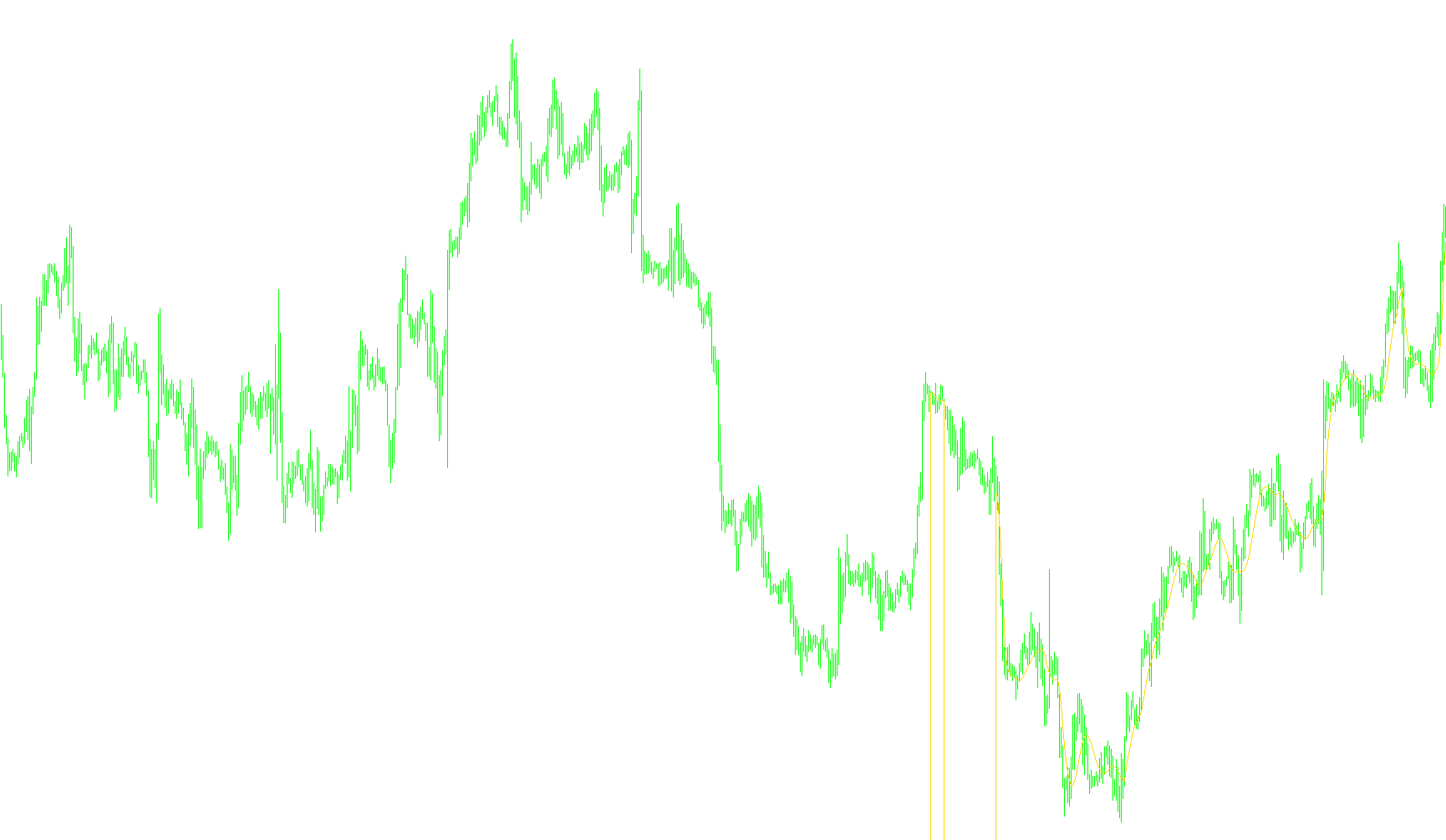
This script functions as a sophisticated technical analysis tool designed to generate a smoothed trend line on a trading chart. It utilizes a logic known as the Jurik Moving Average (JMA), which is highly regarded in the trading community for its ability to balance two competing goals: minimizing "lag" (the delay between a price move and the indicator's reaction) while maintaining a very smooth visual curve.
Here is a breakdown of how the logic operates in non-technical terms:
Data Input and Selection
The script begins by allowing the user to define which specific price data point it should track. You can choose to base the calculations on the standard closing price, opening price, highs, lows, or various averages of these points (such as the midpoint or a weighted average). This flexibility allows the tool to be adapted to different trading styles.
The Smoothing Engine
Unlike simple moving averages that just take a basic average of recent prices, this script employs a multi-layered mathematical process:
- Dynamic Adaptation: The logic calculates how "fast" or "slow" the indicator should react based on the user-defined period. It uses complex logarithmic and power functions to ensure that the trend line remains stable during choppy markets but reacts quickly when a definitive price shift occurs.
- Volatility Filtering: The script monitors the variance between current price movements and historical buffers. By calculating the absolute difference between various data points, it can distinguish between meaningful trend changes and insignificant market "noise."
- Dual-Buffer Processing: It maintains internal "rings" or memory banks of previous data. These are used to calculate a weighted momentum. This helps the indicator "remember" the trajectory of the price without getting distracted by minor fluctuations.
The Core Calculation Logic
The script follows a series of iterative steps to arrive at the final line:
- Normalization: It gathers raw price data into a temporary buffer.
- Trend Identification: It compares current prices against historical averages to determine the direction of momentum.
- Weighted Smoothing: It applies a series of "phases" and coefficients. These act like filters, smoothing out the jagged edges of price action while trying to keep the resulting line as close to the actual price as possible.
- Final Projection: The result is a single smoothed value (the JMA) that is plotted on your chart window.
User Experience
For the person viewing the chart, this logic translates into a visual line that flows smoothly over the candles. Because of the advanced math involved, the line provides a clearer view of the underlying market trend than most standard indicators, making it easier to identify support/resistance levels and potential trend reversals without the "choppiness" that typically complicates technical analysis.
/*-----------------------------+
|			       |
| Shared by www.Aptrafx.com    |
|			       |
+------------------------------*/

//+------------------------------------------------------------------+
//|                                                          JMA.mq4 |
//|                                                           Spiggy |
//|                                                                  |
//+------------------------------------------------------------------+
#property copyright "Spiggy"
#property link      ""

#property indicator_chart_window
#property indicator_buffers 1
#property indicator_color1 White

//---- input parameters
extern int       Periods=14;
extern int       PriceType = 0;
extern int       Offset = 0;
extern int       phase=0;
extern int       BarCount=300;
//---- buffers
double ExtMapBuffer1[];
//+------------------------------------------------------------------+
//| Custom indicator initialization function                         |
//+------------------------------------------------------------------+
int init()
  {
//---- indicators
   SetIndexStyle(0,DRAW_LINE);
   SetIndexBuffer(0,ExtMapBuffer1);
//----
   return(0);
  }
//+------------------------------------------------------------------+
//| Custor indicator deinitialization function                       |
//+------------------------------------------------------------------+
int deinit()
  {
//----

//----
   return(0);
  }
//+------------------------------------------------------------------+
//| Custom indicator iteration function                              |
//+------------------------------------------------------------------+
int start()
  {
   int    counted_bars=IndicatorCounted();
//----
// variable definitions
bool firstTime=True;
int AccountedBars=0;
int jj=0;
int ii=0;
int shift=0;
double series=0;

double vv=0;
double v1=0;
double v2=0;
double v3=0;
double v4=0;
double s8=0;
double s10=0;
double s18=0;
double s20=0;
int v5=0;
int v6=0;
double s28=0;
double s30=0;
int s38=0;
int s40=0;
int s48=0;
int s50=0;
int s58=0;
int s60=0;
double s68=0;
double s70=0;
double f8=0;
double f10=0;
double f18=0;
double f20=0;
double f28=0;
double f30=0;
double f38=0;
double f40=0;
double f48=0;
double f50=0;
double f58=0;
double f60=0;
double f68=0;
double f70=0;
double f78=0;
double f80=0;
double f88=0;
double f90=0;
double f98=0;
double fA0=0;
double fA8=0;
double fB0=0;
double fB8=0;
double fC0=0;
double fC8=0;
double fD0=0;
double f0=0;
double fD8=0;
double fE0=0;
double fE8=0;
int fF0=0;
double fF8=0;
int value2=0;
double JMA=0;
double prevtime=0;

double list[127];
double ring1[127];
double ring2[10];
double buffer[61];

ArrayInitialize(list,0);
ArrayInitialize(ring1,0);
ArrayInitialize(ring2,0);
ArrayInitialize(buffer,0);

if (firstTime)
{
  AccountedBars = Bars-BarCount;
  firstTime=False;
}

if ((CurTime()-prevtime)<30)
  return(-1);

prevtime=CurTime();
//SetLoopCount(0);
{
  s28 = 63;
  s30 = 64;
  for ( ii = 1 ; ii <= s28 ; ii++)
  {
    list[ii] = -1000000;
  }
  for ( ii = s30 ; ii <= 127  ; ii++ )
  {
    list[ii] = 1000000;
  }
  f0 = 1;
}

//{--------------------------------------------------------------------}
for ( shift=BarCount ; shift >= 0 ; shift-- )
{
   switch(PriceType) {
      case 0:
         series=Close[shift];
         break;
      case 1:
         series=Open[shift];
         break;
      case 2:
         series=High[shift];
         break;
      case 3:
         series=Low[shift];
         break;
      case 4:
         series=(High[shift]+Low[shift])/2;
         break;
      case 5:
         series=(High[shift]+Low[shift]+Close[shift])/3;
         break;
      case 6:
         series=(High[shift]+Low[shift]+Close[shift]+Close[shift])/4;
         break;
  }
  if (fF0 < 61)
  {
    fF0= fF0 + 1;
    buffer[fF0] = series;
  }
  //{--------------------------------------------------------------------}
  // { main cycle }
  if (fF0 > 30)
  {
    if (Periods < 1.0000000002)
    {
      f80 = 0.0000000001; //{1.0e-10}
    }
    else
    {
      f80 = (Periods - 1) / 2.0;
    }

    if (phase < -100)
    {
      f10 = 0.5;
    }
    else
    {
      if (phase > 100)
      {
           f10 = 2.5;
      }
      else
      {
        f10 = phase / 100 + 1.5;
      }
    }

    v1 = MathLog(MathSqrt(f80));
    v2 = v1;
    if (v1 / MathLog(2.0) + 2.0 < 0.0)
    {
      v3 = 0;
    }
    else
    {
      v3 = v2 / MathLog(2.0) + 2.0;
    }
    f98 = v3;

    if (0.5 <= f98 - 2.0)
    {
      f88 = f98 - 2.0;
    }
    else
    {
      f88 = 0.5;
    }

    f78 = MathSqrt(f80) * f98;
    f90 = f78 / (f78 + 1.0);
    f80 = f80 * 0.9;
    f50 = f80 / (f80 + 2.0);

    if (f0 != 0)
    {
      f0 = 0;
      v5 = 0;
      for ( ii = 1 ; ii <=29 ; ii++ )
      {
        if (buffer[ii+1] != buffer[ii])
        {
          v5 = 1.0;
        }
      }

      fD8 = v5*30.0;
      if (fD8 == 0)
      {
        f38 = series;
      }
      else
      {
        f38 = buffer[1];
      }
      f18 = f38;
      if (fD8 > 29)
        fD8 = 29;
    }
    else
      fD8 = 0;

    for ( ii = fD8 ; ii >= 0 ; ii-- )
    { //{ another bigcycle...}
      value2=31-ii;
      if (ii == 0)
      {
        f8 = series;
      }
      else
      {
        f8 = buffer[value2];
      }
      f28 = f8 - f18;
      f48 = f8 - f38;
      if (MathAbs(f28) > MathAbs(f48))
      {
        v2 = MathAbs(f28);
      }
      else
      {
        v2 = MathAbs(f48);
      }
      fA0 = v2;
      vv = fA0 + 0.0000000001; //{1.0e-10;}

      if (s48 <= 1)
      {
        s48 = 127;
      }
      else
      {
        s48 = s48 - 1;
      }
      if (s50 <= 1)
      {
        s50 = 10;
      }
      else
      {
        s50 = s50 - 1;
      }
      if (s70 < 128)
        s70 = s70 + 1;
      s8 = s8 + vv - ring2[s50];
      ring2[s50] = vv;
      if (s70 > 10)
      {
        s20 = s8 / 10;
      }
      else
        s20 = s8 / s70;

      if (s70 > 127)
      {
        s10 = ring1[s48];
        ring1[s48] = s20;
        s68 = 64;
        s58 = s68;
        while (s68 > 1)
        {
          if (list[s58] < s10)
          {
            s68 = s68 *0.5;
            s58 = s58 + s68;
          }
          else
          if (list[s58] <= s10)
          {
            s68 = 1;
          }
          else
          {
            s68 = s68 *0.5;
            s58 = s58 - s68;
          }
        }
      }
      else
      {
        ring1[s48] = s20;
        if (s28 + s30 > 127)
        {
          s30 = s30 - 1;
          s58 = s30;
        }
        else
        {
          s28 = s28 + 1;
          s58 = s28;
        }
        if (s28 > 96)
        {
          s38 = 96;
        }
        else
          s38 = s28;
        if (s30 < 32)
        {
          s40 = 32;
        }
        else
          s40 = s30;
      }

      s68 = 64;
      s60 = s68;
      while (s68 > 1)
      {
        if (list[s60] >= s20)
        {
          if (list[s60 - 1] <= s20)
          {
            s68 = 1;
          }
          else
          {
            s68 = s68 *0.5;
            s60 = s60 - s68;
          }
        }
        else
        {
          s68 = s68 *0.5;
          s60 = s60 + s68;
        }
        if ((s60 == 127) && (s20 > list[127]))
          s60 = 128;
      }

      if (s70 > 127)
      {
        if (s58 >= s60)
        {
          if ((s38 + 1 > s60) && (s40 - 1 < s60))
          {
            s18 = s18 + s20;
          }
          else
          if ((s40 > s60) && (s40 - 1 < s58))
            s18 = s18 + list[s40 - 1];
        }
        else
        if (s40 >= s60)
        {
          if ((s38 + 1 < s60) && (s38 + 1 > s58))
            s18 = s18 + list[s38 + 1];
        }
        else
        if (s38 + 2 > s60)
        {
          s18 = s18 + s20;
        }
        else
        if ((s38 + 1 < s60) && (s38 + 1 > s58))
          s18 = s18 + list[s38 + 1];

        if (s58 > s60)
        {
          if ((s40 - 1 < s58) && (s38 + 1 > s58))
          {
            s18 = s18 - list[s58];
          }
          else
          if ((s38 < s58) && (s38 + 1 > s60))
            s18 = s18 - list[s38];
        }
        else
        {
          if ((s38 + 1 > s58) && (s40 - 1 < s58))
          {
            s18 = s18 - list[s58];
          }
          else
          if ((s40 > s58) && (s40 < s60))
            s18 = s18 - list[s40];
        }
      }

      if (s58 <= s60)
      {
        if (s58 >= s60)
        {
          list[s60] = s20;
        }
        else
        {
          for ( jj = s58 + 1 ; jj <= s60 - 1 ; jj++ )
          {
            list[jj - 1] = list[jj];
          }
          list[s60 - 1] = s20;
        }
      }
      else
      {
        for ( jj = s58 - 1 ; jj >= s60 ; jj-- )
        {
          list[jj + 1] = list[jj];
        }
        list[s60] = s20;
      }

      if (s70 <= 127)
      {
        s18 = 0;
        for (jj = s40 ; jj <= s38 ; jj++)
        {
          s18 = s18 + list[jj];
        }
      }
      f60 = s18 / (s38 - s40 + 1);
      if (fF8 + 1 > 31)
      {
        fF8 = 31;
      }
      else
        fF8 = fF8 + 1;

      if (fF8 <= 30)
      {
        if (f28 > 0)
        {
          f18 = f8;
        }
        else
          f18 = f8 - f28 * f90;
        if (f48 < 0)
        {
          f38 = f8;
        }
        else
          f38 = f8 - f48 * f90;
        fB8 = series;
        //{EasyLanguage does not have "continue" statement}
        if (fF8 != 30)
        {
          continue;
        }
        if (fF8 == 30)
        {
          fC0 = series;
          if (MathCeil(f78) >= 1)
          {
            v4 = MathCeil(f78);
          }
          else
            v4 = 1;
          fE8 = MathCeil(v4);
          if (MathFloor(f78) >= 1)
          {
            v2 = MathFloor(f78);
          }
          else
            v2 = 1;
          fE0 = MathCeil(v2);
          if (fE8 == fE0)
          {
            f68 = 1;
          }
          else
          {
            v4 = fE8 - fE0;
            f68 = (f78 - fE0) / v4;
          }
          if (fE0 <= 29)
          {
            v5 = fE0;
          }
          else
            v5 = 29;
          if (fE8 <= 29)
          {
            v6 = fE8;
          }
          else
            v6 = 29;
          fA8 = (series - buffer[fF0 - v5]) * (1 - f68) / fE0 + (series - buffer[fF0 - v6]) * f68 / fE8;
        }
      }
      else
      {
        if (f98 >= MathPow(fA0/f60, f88))
        {
          v1 = MathPow(fA0/f60, f88);
        }
        else
          v1 = f98;
        if (v1 < 1)
        {
          v2 = 1;
        }
        else
        {
          if (f98 >= MathPow(fA0/f60, f88))
          {
            v3 = MathPow(fA0/f60, f88);
          }
          else
            v3 = f98;
          v2 = v3;
        }
        f58 = v2;
        f70 = MathPow(f90, MathSqrt(f58));
        if (f28 > 0)
        {
          f18 = f8;
        }
        else
        {
          f18 = f8 - f28 * f70;
        }
        if (f48 < 0)
        {
          f38 = f8;
        }
        else
        {
          f38 = f8 - f48 * f70;
        }
      }
    }

    if (fF8 > 30)
    {
      f30 = MathPow(f50, f58);
      fC0 = (1 - f30) * series + f30 * fC0;
      fC8 = (series - fC0) * (1 - f50) + f50 * fC8;
      fD0 = f10 * fC8 + fC0;
      f20 = -f30 * 2;
      f40 = f30 * f30;
      fB0 = f20 + f40 + 1;
      fA8 = (fD0 - fB8) * fB0 + f40 * fA8;
      fB8 = fB8 + fA8;
    }
    JMA= fB8;
  }
  if (fF0 <= 30)
  {
    JMA=0;
  }

//Print ("JMA is " + JMA + " shift is " + shift);
  ExtMapBuffer1[shift-Offset]=JMA;

  if (shift>0)
  {
    AccountedBars=AccountedBars+1;
  }
}
//----
   return(0);
  }
//+------------------------------------------------------------------+
Comments